

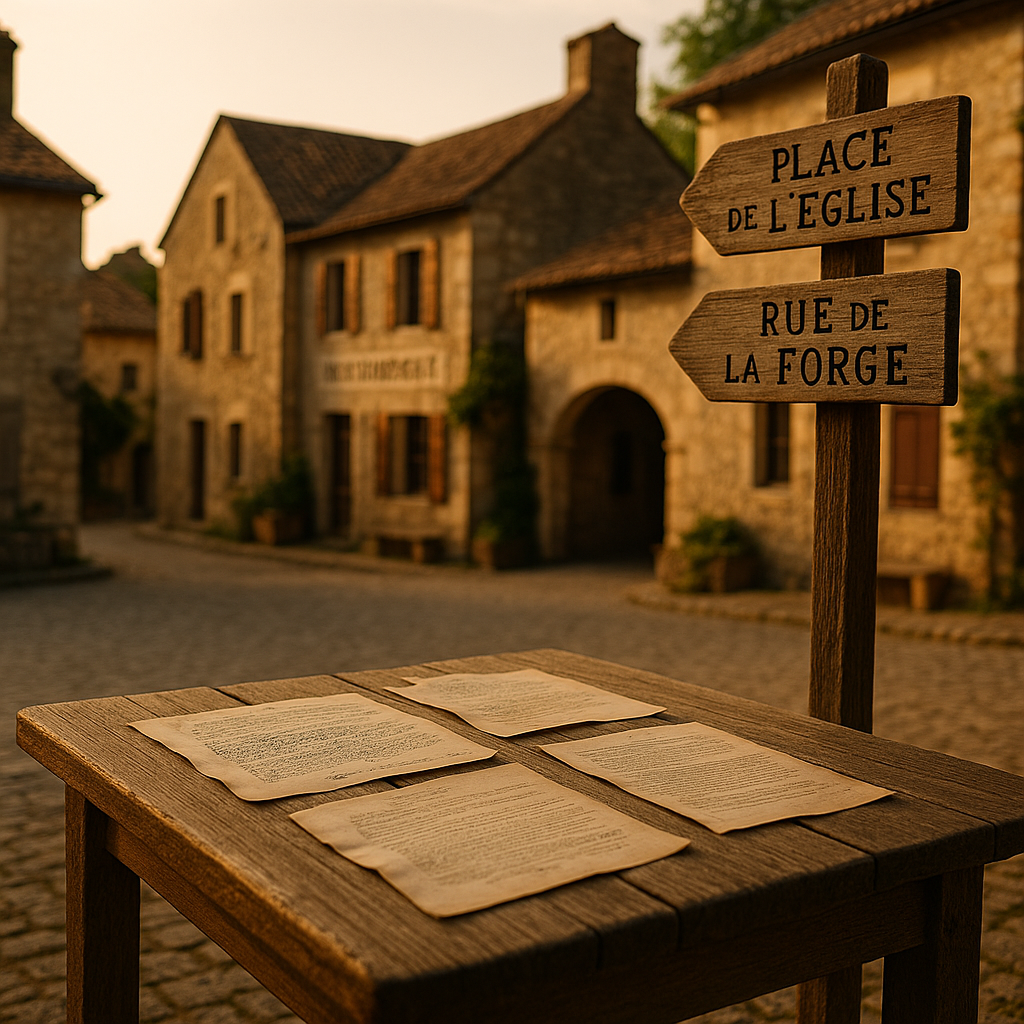
Throughout history, French-Canadian families have carried a unique tradition of ‘dit names’, allowing individuals to be known by two surnames. This tradition has not only shaped identities but also uncovered hidden connections to a second citizenship.
The Legacy of ‘Dit Names’
The term ‘dit’ meaning ‘called’ in French, served as a link between original surnames and secondary names, such as ‘Miville dit Deschenes’ or ‘Pelletier dit Bellefleur’. This practice has led to diverse American surnames stemming from a single French-Canadian family name.
Originating from France, the ‘dit name’ practice emerged as a solution for distinguishing families with identical surnames within the same village. It allowed for unique identification and differentiation among relatives.
A ‘dit name’ could be derived from various sources including trades, hometowns, physical attributes, or even ancestral names. This secondary name served as a functional identifier, often found in historical records.
Library and Archives Canada highlights the evolution of ‘dit names’ and their prevalence in records until the mid-19th century. Subsequently, families typically retained one surname, marking a shift in naming conventions.