

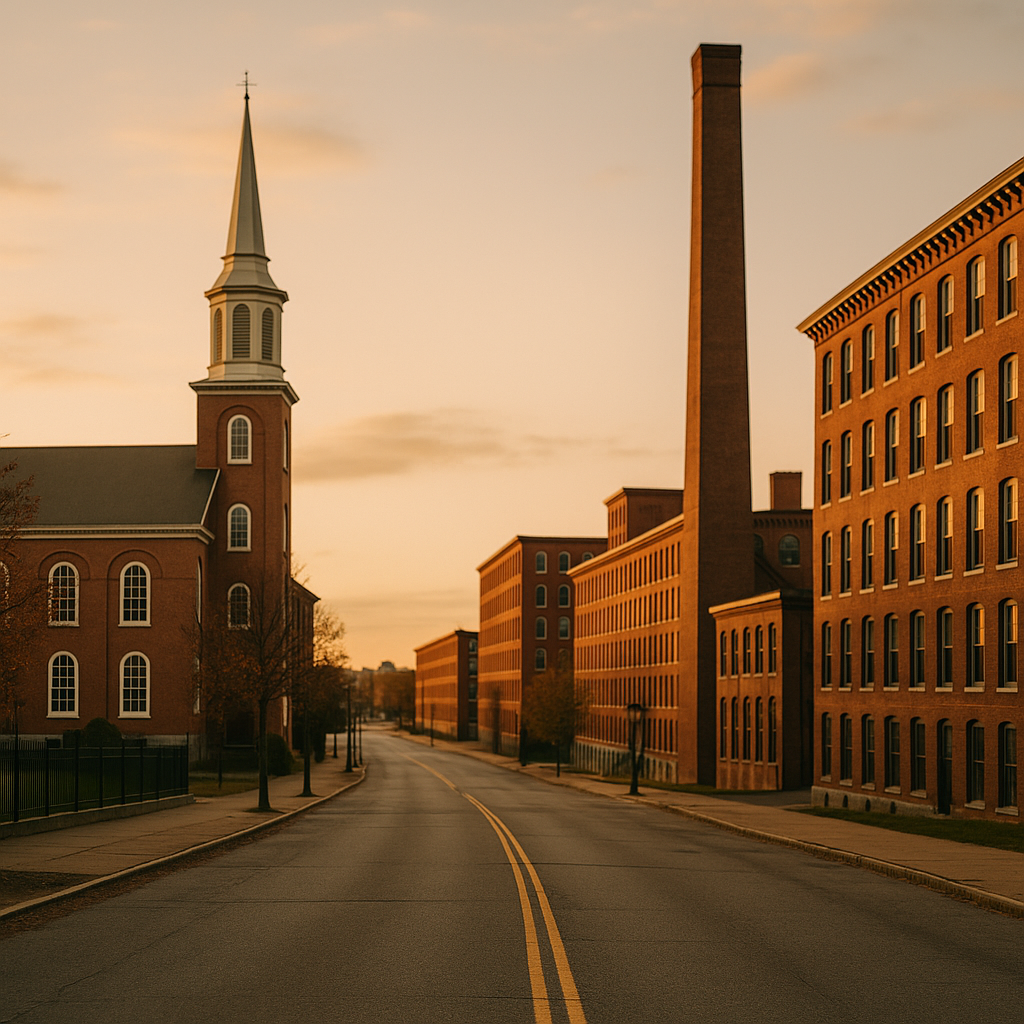
In Manchester, New Hampshire, a combined 11.5% of residents report Canadian or French-Canadian ancestry, according to census figures for 2020 to 2024*.
The actual number is likely higher. Individuals self-report their ancestry to the census, and the survey only considers their first two responses. Nearly one in five Manchester residents did not provide an answer that the census could categorize.
Many of these residents may already be Canadian citizens without realizing it; recent changes to the country’s citizenship laws mean that having just one Canadian ancestor in an individual’s direct lineage is sufficient to establish Canadian heritage for the entire family.
Several Manchester institutions maintain records that can aid in substantiating a claim, ranging from Amoskeag mill cards to city birth records. The American-Canadian Genealogical Society (ACGS), established in Manchester since 1973, offers a repository of citizenship inquiries and reports a significant number of requests.
Quebec families built Manchester’s mills
In the 1870s, the Amoskeag Manufacturing Company began recruiting French Canadians in large numbers. Families migrated from Quebec farms, and some from New Brunswick, to work in its 30 mills along the Merrimack River. At its peak, Amoskeag stood as the largest cotton textile plant globally.
The newcomers settled on the West Side, in neighborhoods they referred to as le Petit Canada. In 1908, parishioners at Ste-Marie Church established the first credit union in the United States, known today as St. Mary’s Bank, still located on McGregor Street.
Critics of the time accused French Canadians of hesitating to become American citizens. If your ancestor naturalized, Canadian law may not view that as a disruption in the lineage. An individual born in Canada before 1947 who later became a U.S. citizen can still be considered the Canadian ancestor in your claim.
Following the closure of Amoskeag in 1935, the community dispersed. Children grew up speaking English, and families anglicized their names. However, the Canadian heritage persisted in the documentation.
Until December 15, 2025, Canada restricted citizenship by descent to the born before 2009