

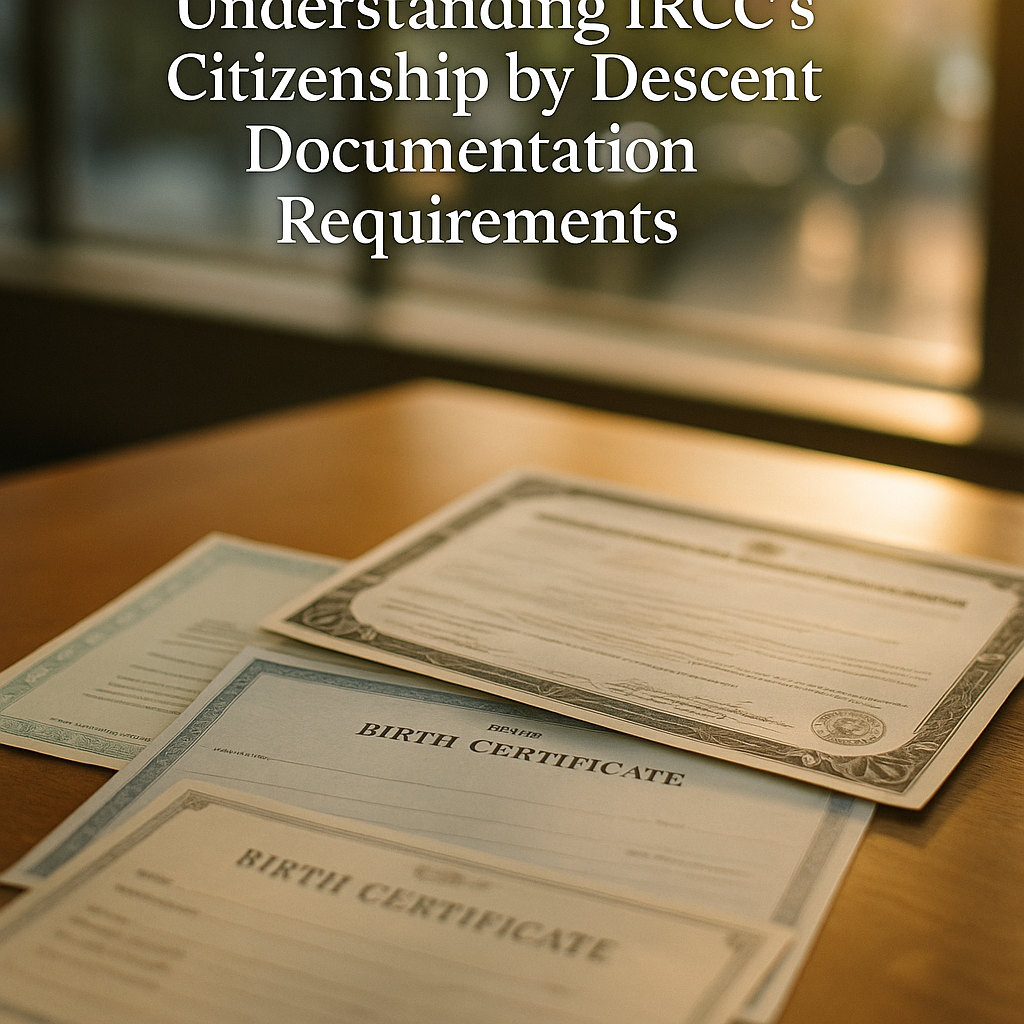
Having the right documentation is crucial when applying for citizenship by descent through IRCC. Not all documents are treated equally, and understanding the distinction between primary and secondary evidence is key to a successful application.
The Importance of Primary and Secondary Evidence
IRCC categorizes evidence into primary and secondary tiers, with primary documents being mandatory for each ancestor in your lineage. Secondary documents, although not mandatory, can still play a significant role in supporting your application.
It’s essential to know that the classification of documents as primary or secondary is based on their evidentiary weight, not their source. Even original documents can be considered secondary under IRCC’s framework.
Recent Changes in Guidelines
IRCC’s recent update emphasizes the importance of sourcing documents directly from the original authority, although certification is not mandatory. This shift aims to ensure the authenticity and reliability of the submitted records.
Primary Evidence Requirements
IRCC requires specific primary evidence for each ancestor, including Canadian birth certificates, citizenship or naturalization certificates, and other relevant documents that establish the familial relationship.
- A Canadian provincial or territorial birth certificate
- A birth certificate from another country demonstrating parent-child relationship
- A Certificate of Registration of Birth Abroad or Certificate of Retention of Canadian Citizenship
- British naturalization certificates issued in Canada or Newfoundland and Labrador
- Proof of British subject status before specified dates
- Proof of landed immigrant status