

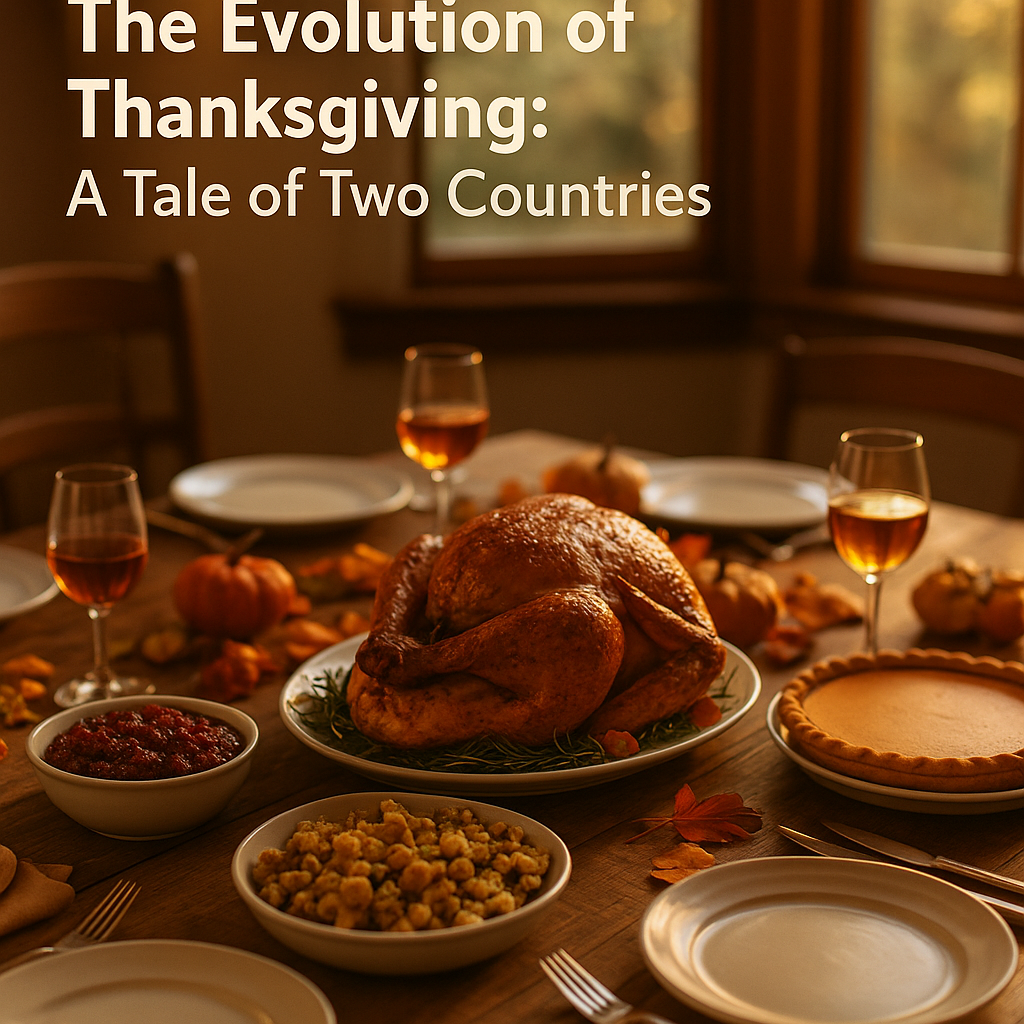
As Canadians prepare to celebrate Thanksgiving on October 12, a historical shift in citizenship law has added a new layer of significance to the holiday. Meanwhile, Americans mark their Thanksgiving on November 26, tracing back to a rich tradition dating back to the 18th century.
Two countries, two dates
The origins of Thanksgiving in both Canada and the US are deeply rooted in history. While the US established its national day of thanks in 1789, Canada’s Thanksgiving was officially proclaimed in 1879, with the date eventually set to the second Monday of October in 1957.
The difference in dates is influenced by geography and harvest seasons, with Canada’s earlier harvest timing and unique historical influences shaping its Thanksgiving customs. Despite similarities in meals, each country’s Thanksgiving observances have distinct backgrounds.
The law changed in December 2025
A significant change in Canadian citizenship law occurred on December 15, 2025, with the implementation of Bill C-3. This amendment allows individuals with a direct lineage to a Canadian ancestor born before the specified date to claim Canadian citizenship, regardless of how many generations back the connection goes.
Individuals with Canadian ancestry must provide documentation to prove their status and apply for a Canadian citizenship certificate, which also serves as the basis for obtaining a Canadian passport. The streamlined process eliminates the need for language tests, citizenship exams, residency requirements, or oaths, recognizing the inherent citizenship rights of eligible individuals.