

Nearly one in every three New Hampshire residents may be dual Canadian-U.S. citizens, after Canada updated its Citizenship Act in December 2025.
Compared to the rest of the country, Americans with family ties to states such as New Hampshire, Vermont, and Maine have a much higher chance of having Canadian ancestry, which comes with the right to Canadian citizenship.
The recent changes in Canada’s Citizenship Act have made millions of Americans eligible to apply for proof of Canadian citizenship certificates, leading to an increased interest in exploring their Canadian roots.
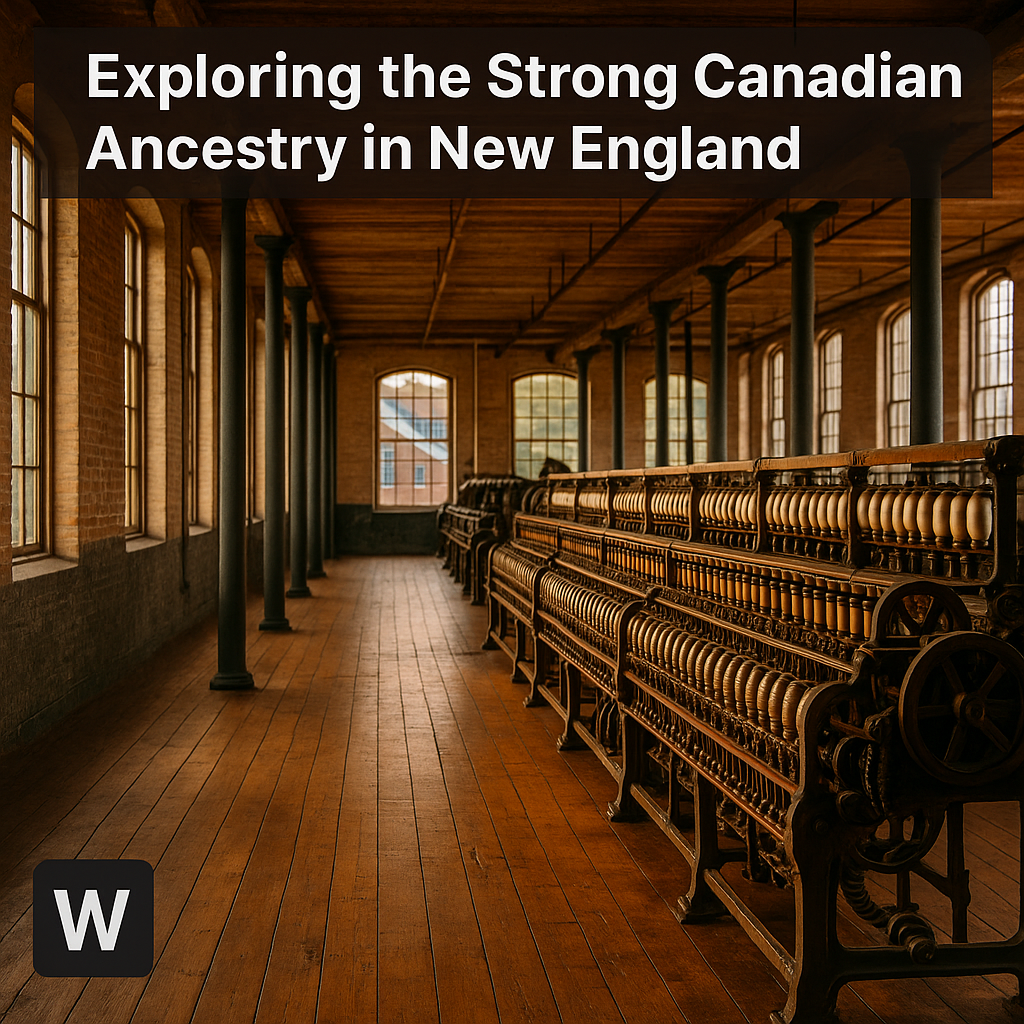
The significant presence of Canadian ancestry in New England can be traced back to the mass migration of French Canadians to the Northeastern United States between 1840 and 1930, a period known as the ‘Great Hemorrhage.’
Here is a breakdown of the states with the highest percentage of residents with Canadian ancestry:
- New Hampshire: 8.06%
- Vermont: 7.59%
- Maine: 7.00%
- Rhode Island: 4.05%
- Massachusetts: 3.40%
These estimates are based on U.S. Census Bureau data on self-reported Canadian ancestry in 2024, suggesting that the actual number of Americans with Canadian roots in New England could be significantly higher than reported.
New Hampshire
If you are from New Hampshire, you may have a one-in-three chance of qualifying as a dual U.S.-Canadian citizen, thanks to the historical ties between the two regions.
The influx of French Canadians into New Hampshire during the industrial revolution played a significant role in shaping the cultural landscape of the state, particularly in cities like Manchester.
Genealogical research indicates that French-Canadians made up a substantial portion of Manchester’s population in the early 20th century, highlighting the deep-rooted connection between the two communities.