

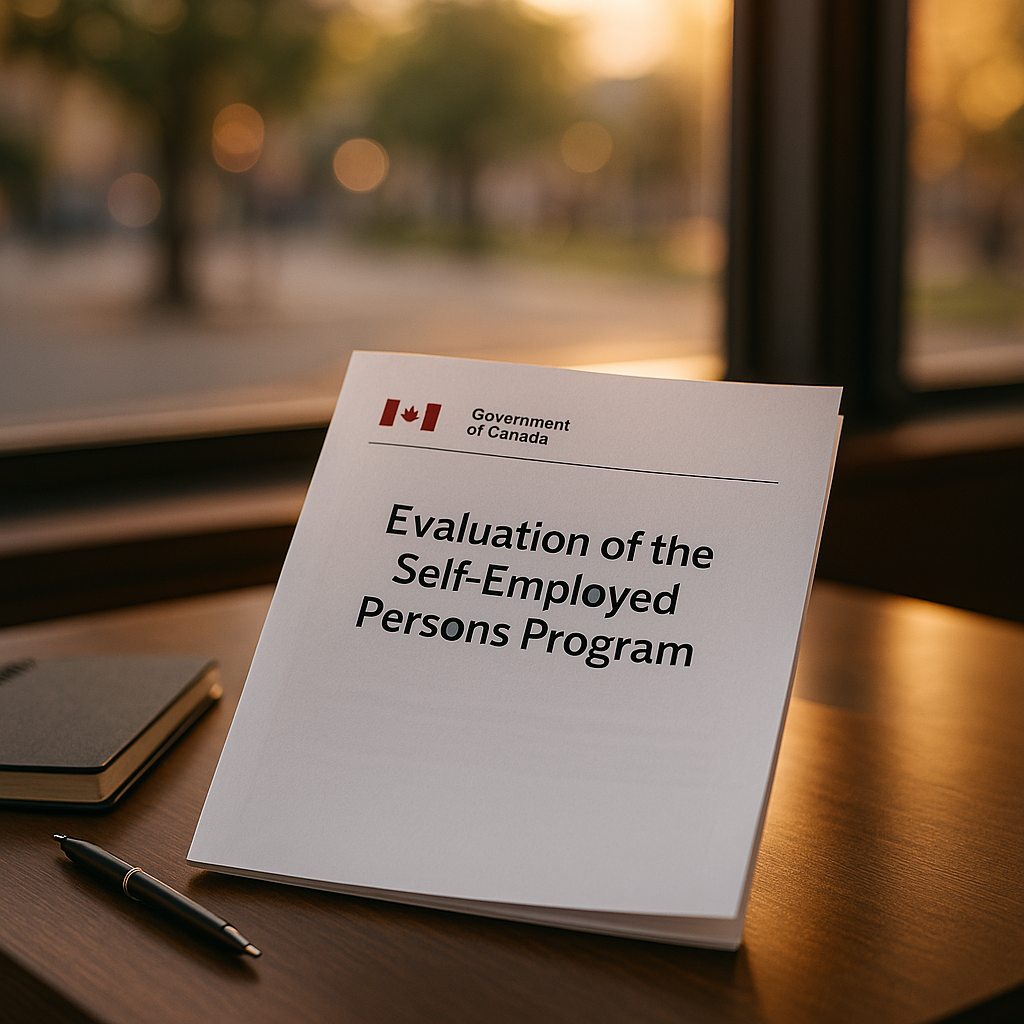
Canada’s immigration department has identified significant challenges with the Self-Employed Persons Program (SEPP), the primary pathway to permanent residence for world-class self-employed individuals. A recent official report by the Audit and Evaluation Branch of Immigration, Refugees and Citizenship Canada (IRCC) highlighted issues such as backlog, high refusal rates, and lengthy processing times. The report cited unclear program objectives and overly broad eligibility criteria as key factors contributing to these challenges.
The SEPP, tailored for self-employed talent, has faced a refusal rate of 69% over the past decade, indicating systemic issues in the program. The IRCC suspended SEPP intake in April 2024 and extended the suspension indefinitely in December 2025 to address these issues.
As of the latest data, there are approximately 8,000 SEPP applications pending, with processing times exceeding 10 years for applicants after July 2022. In response to these challenges, the government has allocated 500 permanent residence admissions spaces for the Federal Business category in 2026, encompassing the SEPP and other related programs.
The official report, titled ‘Evaluation of the Self-Employed Persons Program,’ was published on the Government of Canada’s website on July 28, 2026, shedding light on the program’s shortcomings and the need for reform.