

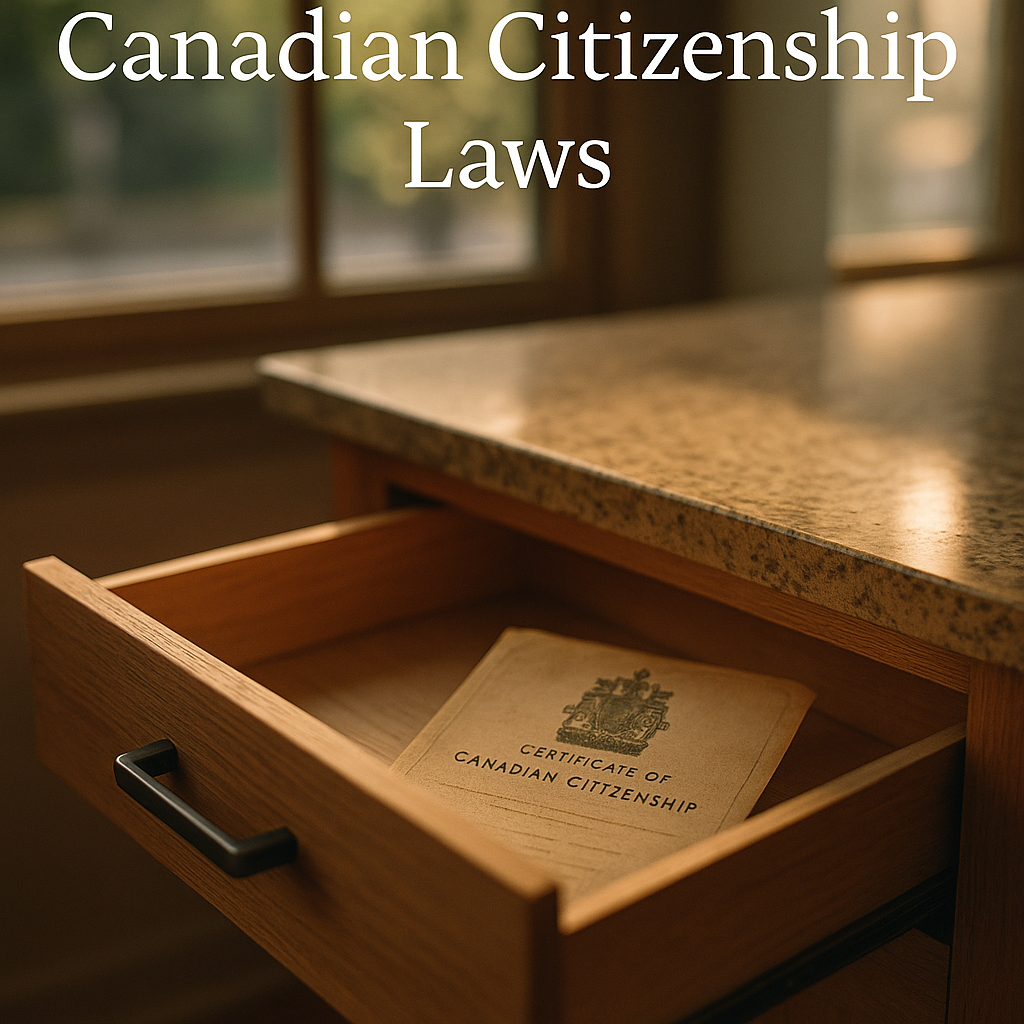
In a forgotten drawer lies a document that once defined Dana’s identity – a Canadian citizenship certificate issued decades ago. Little did she know, the validity of this document would resurface years later, altering her nationality.
Her family’s history intertwined with Canadian roots, spanning generations and continents. A complex web of citizenship laws shaped Dana’s fate, leading to a surprising revelation on her 28th birthday.
Unveiling a hidden truth in 2015, Dana’s journey echoes a widespread phenomenon among individuals affected by Canadian citizenship regulations.
The Unseen Impact of a Little-Known Rule
In 1977, Canada introduced a pivotal change in citizenship transmission for offspring born overseas. However, a lesser-known clause imposed a time limit on citizenship for second-generation expatriates.
- Register as a Canadian citizen;
- Reside in Canada for a year or demonstrate a significant Canadian connection;
- Apply to retain citizenship.
Failure to complete these steps resulted in automatic citizenship termination on one’s 28th birthday, catching many families off guard.
The Legacy of 2009: A Turning Point
April 17, 2009, marked a crucial shift in Canadian citizenship policy, safeguarding the rights of individuals under 28. However, those who had surpassed this age milestone remained excluded, creating a distinct cohort born between 1977 and 1981.
Embracing a Renewed Identity
In December 2025, a transformative law reinstated citizenship for many like Dana, symbolizing a fresh start and a rekindled connection to their Canadian heritage.