

Canada has recently extended the validity period for holders of active permits issued under the Remote Area Border Crossing (RABC) Program until November 30, 2026.
The RABC Program, which allows eligible individuals to bypass a port of entry when crossing into Canada through select remote border areas, will now close on December 1.
RABC permits were initially set to expire on September 13, 2026, with the program scheduled for termination the following day.
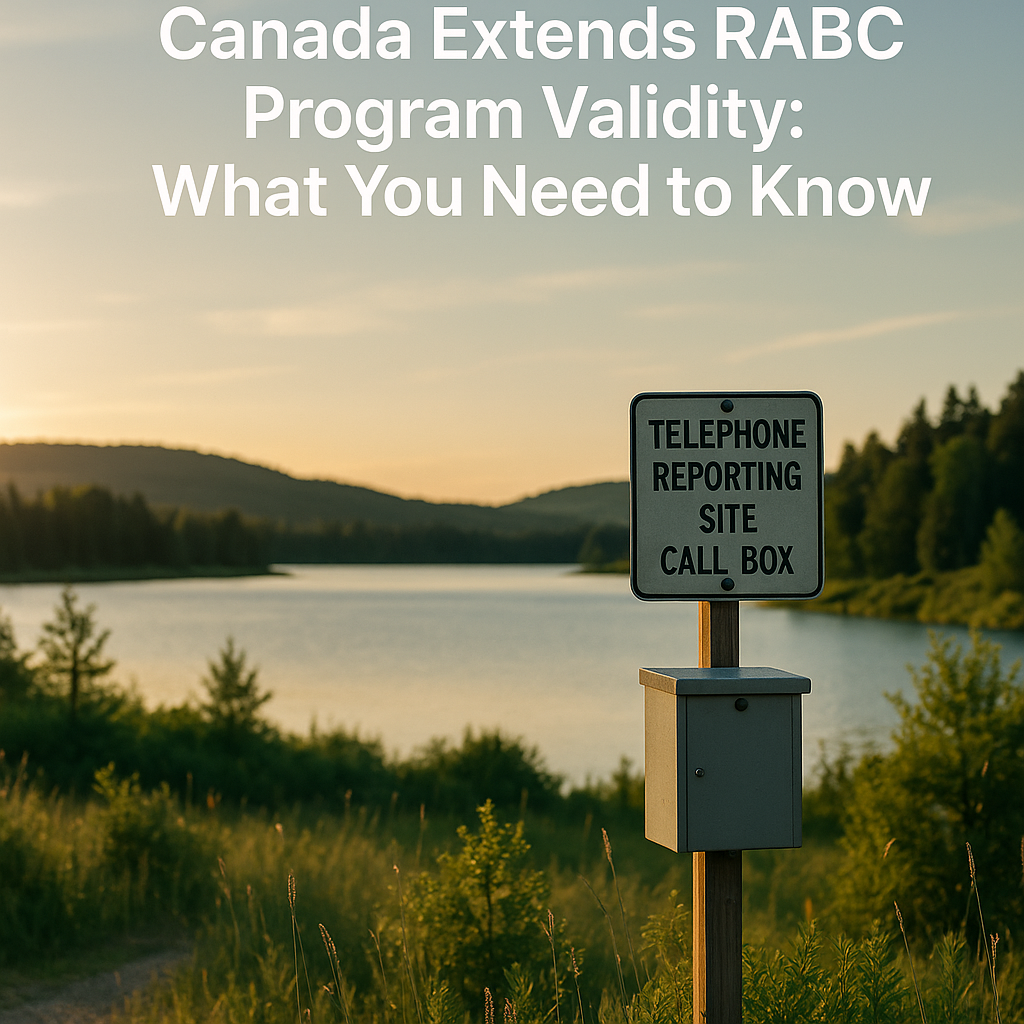
The Canada Border Services Agency (CBSA) will be implementing designated telephone reporting sites in specific areas previously covered by the RABC Program, including the Northwest Angle Area, Canadian shore of Lake Superior, Sault Ste. Marie (upper lock system), Cockburn Island, and Pigeon River through Lake of the Woods.
Starting December 1, individuals entering Canada through these remote border areas must report their entry to the CBSA, either through a telephone reporting site or at a CBSA port of entry.
The CBSA announced this update through a news release on August 10, 2026.
Travellers opting for the telephone reporting method will need to provide identification, travel details, and respond to CBSA inquiries, with in-person screening necessary in certain situations.
The placement of the new telephone reporting sites will be determined in the upcoming months with input from Indigenous communities, local businesses, and law enforcement partners, according to the CBSA.
Failing to report to the CBSA may result in enforcement actions, including fines, seizure of goods or vehicles, or potential criminal charges under the Customs Act.
The changes primarily impact American travellers, who make up around 90% of the approximately 11,000 annual RABC members, as per the CBSA.
This recent extension marks the third time the CBSA has granted such an extension, with expired permits not eligible for further extension.
About the RABC Program
The RABC Program, established in 1990, is a permit system managed by the CBSA that permits pre-approved travellers to enter Canada in remote areas without physically reporting at a port of entry.
Only U.S. and Canadian citizens or permanent residents, along with registered Indians, are eligible for the RABC Program.
U.S. citizens or permanent residents must meet visitor requirements specified in the Immigration and Refugees Protection Act.
Permit holders are required to stay within designated remote areas, present their permits to CBSA officers during verification stops, and declare any goods being brought into Canada.
With the impending closure of the program, the CBSA is no longer accepting new permit applications.