

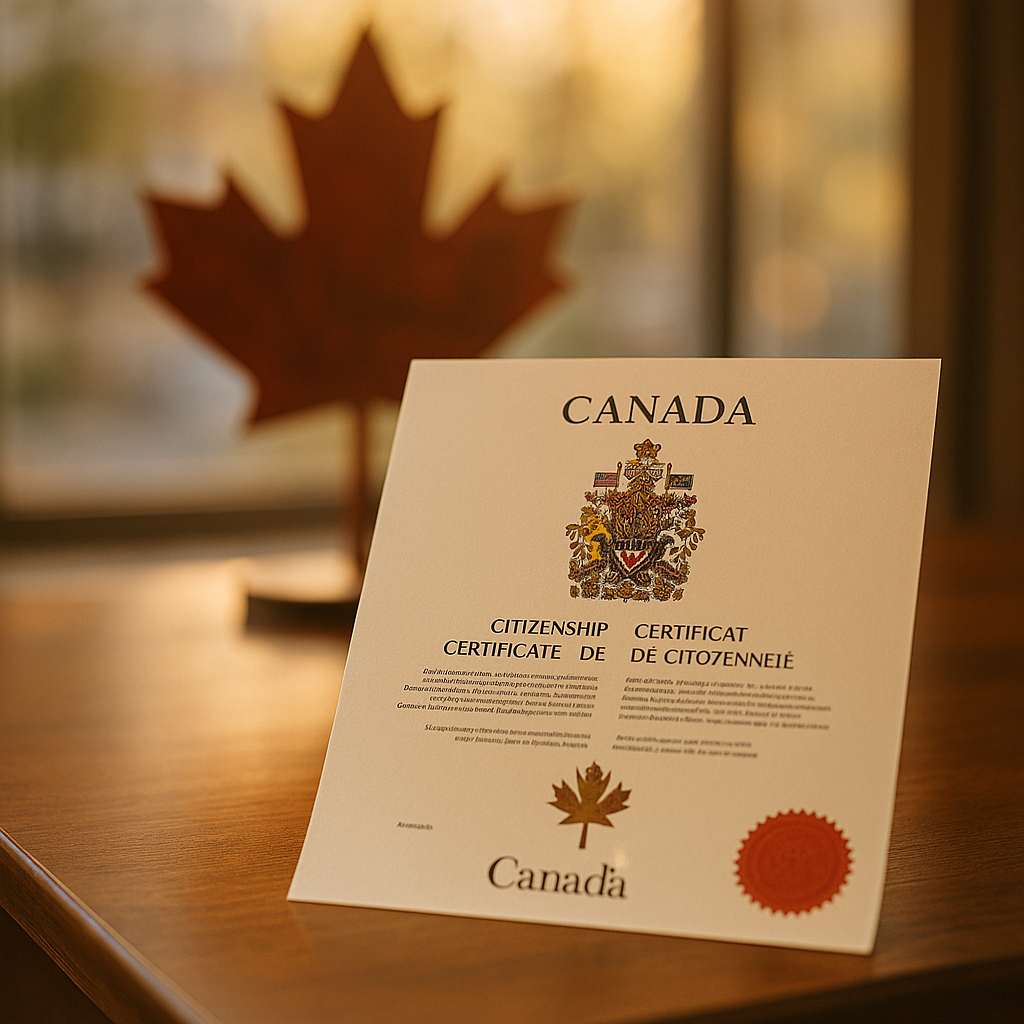
Recent amendments to Canadian citizenship laws have significant implications for future generations. Bill C-3 has reinstated Canadian citizenship for individuals born before December 15, 2025, with a direct lineage to a Canadian ancestor. However, a new restriction has been introduced for the next generation. Children born abroad after the specified date will not automatically inherit Canadian citizenship unless the parent has resided in Canada for at least three years prior to the child’s birth.
Despite this restriction, there exists a simple workaround that many new Canadian citizens may not be aware of.
Implications for Families
Consider a hypothetical scenario involving a family in Boston. The grandmother of the family migrated from Quebec to Massachusetts in the 1950s. The mother, Marie, a 38-year-old pediatric nurse, has two children: Luc, born in 2023, and Camille, born in 2027.
Under the new law, Marie, being born before the specified date, is a Canadian citizen by descent. She can easily obtain proof of Canadian citizenship without additional requirements. Similarly, Luc, born before the cutoff date, automatically acquires Canadian citizenship through his parent.
Conversely, Camille, born after the specified date and with a mother who has not resided in Canada, does not inherit Canadian citizenship automatically.
The Substantial Connection Test
The substantial connection test, a key provision in Bill C-3, mandates that a Canadian parent born abroad must demonstrate at least 1,095 cumulative days of physical presence in Canada before the child’s birth or adoption for children born or adopted abroad after December 15, 2025.
This test is a permanent requirement and applies to all future children born abroad to Canadian parents also born outside Canada.
It is crucial to understand these changes in Canadian citizenship laws, especially for families with children born after the specified date, as they may face varying citizenship outcomes within the same family.